
The Cost of Rework in Construction (and How to Cut It)
Construction rework can eat 5% of project cost. See the numbers for Canada and the US, why defects get missed on the site walk, and how to catch them early.
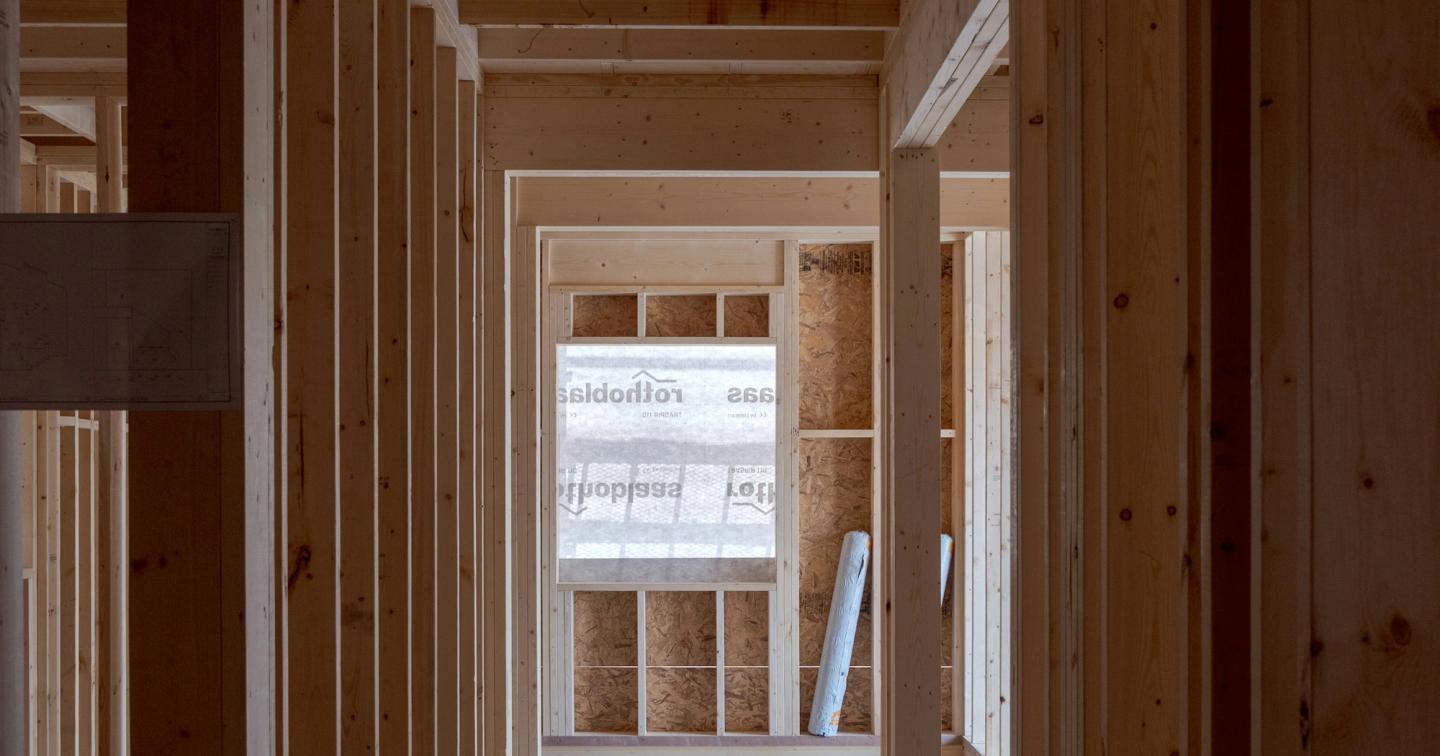
Every site super knows this one. The drywall is up on the third floor, and someone finds a pipe sleeve through a fire separation with no firestop around it. Two days ago it was a five-minute fix with a tube of caulk. Now it is a cut, a patch, tape, mud, paint and a return trip for three trades. That is the cost of rework in construction, one item at a time.
Nobody did anything wrong on purpose. The superintendent walked past it. Or saw it and meant to add it to the punch list. Or added it, and the note never reached the subcontractor before the drywallers showed up.
That gap, between what is on the jobsite and what makes it onto the list, is where a lot of construction rework starts. This guide covers what rework costs general contractors and home builders in Canada and the US, why defects get missed on a good site walk, how to reduce rework on your next project, and what we built Vedo to do about it.
Why the site walk is your main quality control check
A superintendent's day is built around the site walk. Framing, rough-in plumbing, electrical and HVAC, insulation, drywall, finishes: at each stage, the walk is often the only quality control check between one trade finishing and the next trade covering their work.
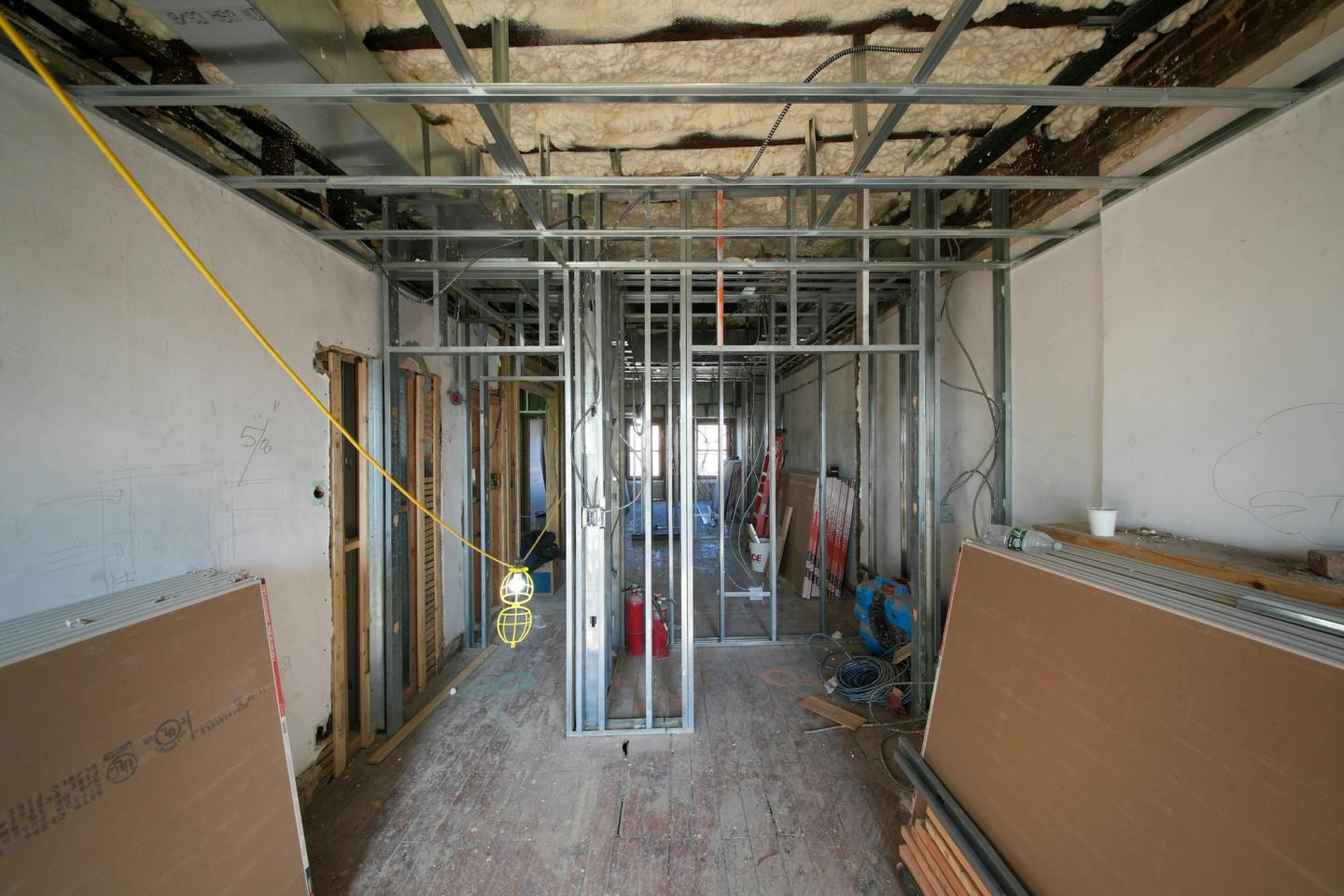
If a construction defect is missed on that walk, the next chances to catch it come later and cost more: the building inspection, the pre-delivery inspection or final walkthrough with the homeowner, or a warranty callback after possession.
How much does rework cost in construction?
Rework is work done twice: torn out, redone, patched or corrected because it was wrong the first time. Studies don't agree on one number, because they measure different things. Some count only direct costs, some add lost time and knock-on costs, and some use estimates instead of real project records.
- Construction Industry Institute, 359 projects (Hwang et al., 2009): direct rework cost about 5% of total construction cost.
- Get It Right Initiative, UK (Construction Management): avoidable errors cost about 5% of project value directly, and up to 21% once wasted time, indirect costs and latent defects are added.
- One contractor's real records (Love, ASCE, 2026): measured field rework of 0.38% of contract value before handover, about 0.76% with fixes after handover. The contractor's own books underreported it by 300%.
- Contractor rework and profit (Bond University): rework of 0.39% of contract value cut mean yearly profit by 28%.
- Six residential projects (Western Sydney University): rework came to 4.95% of total project cost.
- FMI and PlanGrid, 600 construction professionals (Construction Dive): 48% of rework on US jobsites traced to miscommunication (26%) and poor project information (22%).
Three things stand out.
The honest range is wide. Measured rework can be under 1% of contract value. The most-cited figure for direct rework costs is about 5%, and total costs run higher. Anyone who quotes you one exact number for "the construction industry" is guessing.
Small percentages hit profit hard. Construction margins are thin, so rework worth less than half a percent of the contract can take more than a quarter of a year's profit.
Rework hides. In the 2026 study, the contractor's own records showed only a fraction of the rework that really happened. Most builders don't know their own number, because rework rarely gets its own cost code. It turns up as extra labour hours, a subcontractor's extra invoice, a warranty visit or a late closing.
Most of this research comes from commercial and industrial construction. There is far less on residential construction, which is one reason rework on home builds is so easy to underestimate.
The cost of construction rework in Canada
Canada put $272.1 billion into building construction in 2025. In 2023 dollars, that is $254.0 billion: $178.0 billion residential and $76.0 billion non-residential (Statistics Canada, via Link2Build).
No study measures the cost of rework in construction across Canada. So here is what the range above would mean if Canadian projects look like the ones that were studied:
- Residential ($178.0 billion): about $1.35 billion at 0.76%, and about $8.9 billion at 5%.
- Non-residential ($76.0 billion): about $0.58 billion at 0.76%, and about $3.8 billion at 5%.
- Total ($254.0 billion): about $1.9 billion at 0.76%, and about $12.7 billion at 5%.
These are estimates: the rates from the CII and ASCE studies applied to Statistics Canada's spending figures, not a Canadian measurement. Even the low end is close to $2 billion a year of work done twice.
On a single home it looks like this. On a house that costs $500,000 to build, 0.76% is $3,800 and 5% is $25,000. A home builder closing 50 homes a year is looking at somewhere between $190,000 and $1.25 million in rework, most of which never shows up as a line in the books.
How much time rework costs site supers and trades
Money is only half of it. The FMI and PlanGrid study surveyed 600 construction professionals in the US, Canada, the UK, Australia and New Zealand. On average, they spent 35% of their working time, more than 14 hours a week, on work that didn't move the job forward (FMLink, Construction Dive):
- 5.5 hours a week looking for project information
- almost 5 hours a week resolving conflicts
- nearly 4 hours a week dealing with mistakes and rework
Four hours a week is about 200 hours a year, or five working weeks, spent on mistakes and rework. And the hours don't stop with the superintendent:
- Subcontractors lose days to return trips for one deficiency.
- The construction schedule slips when a trade that has to come back is late for their next jobsite.
- Downstream trades wait for the fix before they can start.
It is also getting harder to absorb. BuildForce Canada expects about 21% of the residential construction workforce, roughly 135,000 people, to retire by 2035 (CHBA). That means fewer experienced eyes on more sites, and each super covering more homes on every walk.
What happens when a construction defect is missed
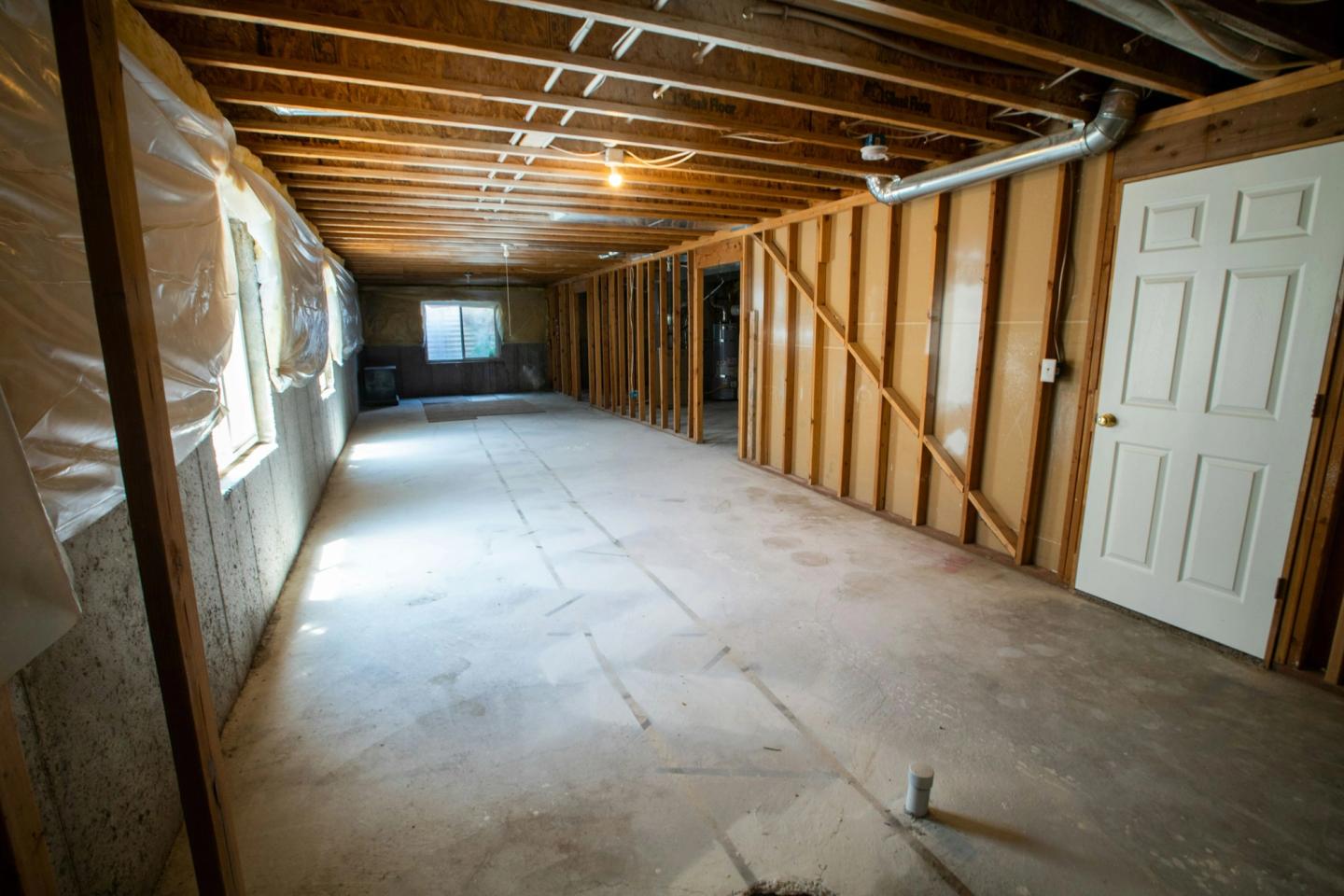
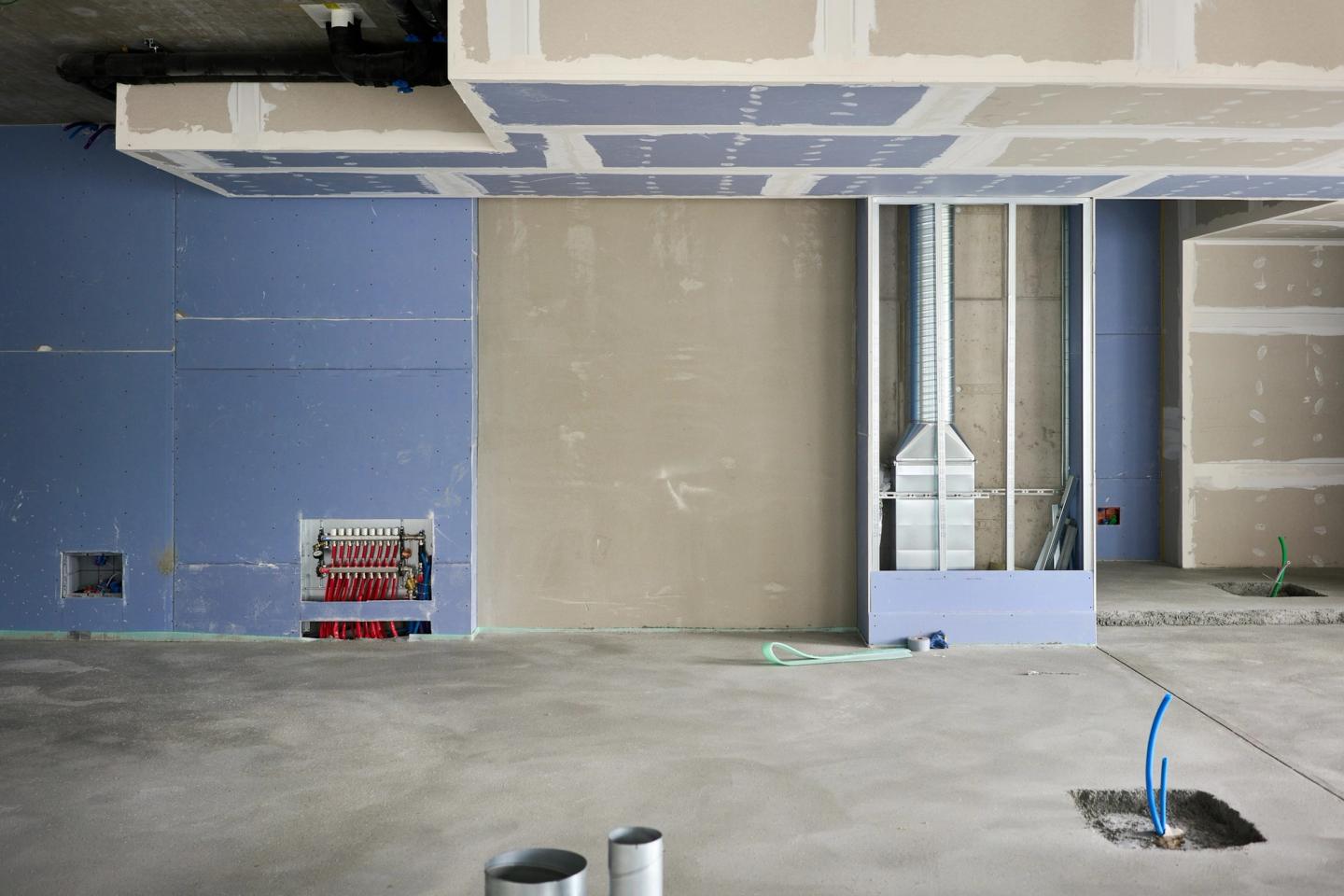
A missed construction defect rarely stays small. It tends to follow the same path:
- It gets covered. Firestopping, sealed penetrations, blocking, vapour barrier, insulation, flashing and window membranes all disappear behind the next layer. A fix that took minutes now means opening a finished wall.
- It fails inspection. That means a re-inspection and a wait while the trade comes back.
- The schedule slips. The trade that returns is late for someone else, and the next trade on your site waits.
- Nobody can prove who caused it. Without a photo and a time, a back-charge turns into an argument, and the general contractor or builder often pays.
- It becomes a warranty claim. In Alberta, every new home carries a mandatory new home warranty: 1 year for labour and materials, 2 years for heating, plumbing and electrical, 5 years for the building envelope, and 10 years for the structure (Government of Alberta). Something missed in framing can come back years after possession. In Ontario, Tarion paid more than $30 million in warranty claims in 2022. Of the 2,543 homes that had a conciliation inspection that year, 70% had items found to be under warranty (Tarion).
- At its worst, it becomes a crisis. BC's leaky condo era left owners and builders with repair bills estimated at anywhere from about $1 billion to more than $4 billion (The Globe and Mail, Grimshaw). Much of that came down to design and the building code, not missed workmanship alone. But it shows how small building envelope problems multiply once they are covered up and repeated across thousands of homes.
And then there is the homeowner. A homeowner who finds a defect after possession tells people about it.
Why good superintendents still miss things on a jobsite walk
None of this comes down to effort. It is one person, one set of eyes, and not enough time:
- There is too much to see. Dozens of homes or units, each at a different stage, each with different trades.
- The walk gets interrupted. Phone calls, deliveries and questions all pull your eyes away mid-walk.
- The walk lives in your head. A notebook, a few photos in a camera roll and memory. The write-up happens hours later, if at all.
- The deficiency never reaches the trade. A text gets buried. A photo stays on your phone. The punch list goes out days later.
- The next trade gets there first. The fix was coming, but the drywallers came sooner.
- There is no record to check against. Next week, nobody can say for sure whether it was already there last week.
How to reduce rework on your next project
You don't need new software to start. These five habits cut rework on any jobsite:
- Walk before every cover-up stage. Before insulation, before drywall, before paint and before flooring. A pre-drywall inspection catches framing, wiring and plumbing problems while you can still see them (Hondros).
- Log every deficiency on the spot. A photo, the exact location and the trade, written down while you are standing in front of it.
- Send it to the trade the same day. With the photo, so nobody has to guess what you meant.
- Ask for an after photo, and check the fix before the next trade covers it.
- Count your rework. Return trips, failed inspections and warranty callbacks. You can't cut what you don't count.
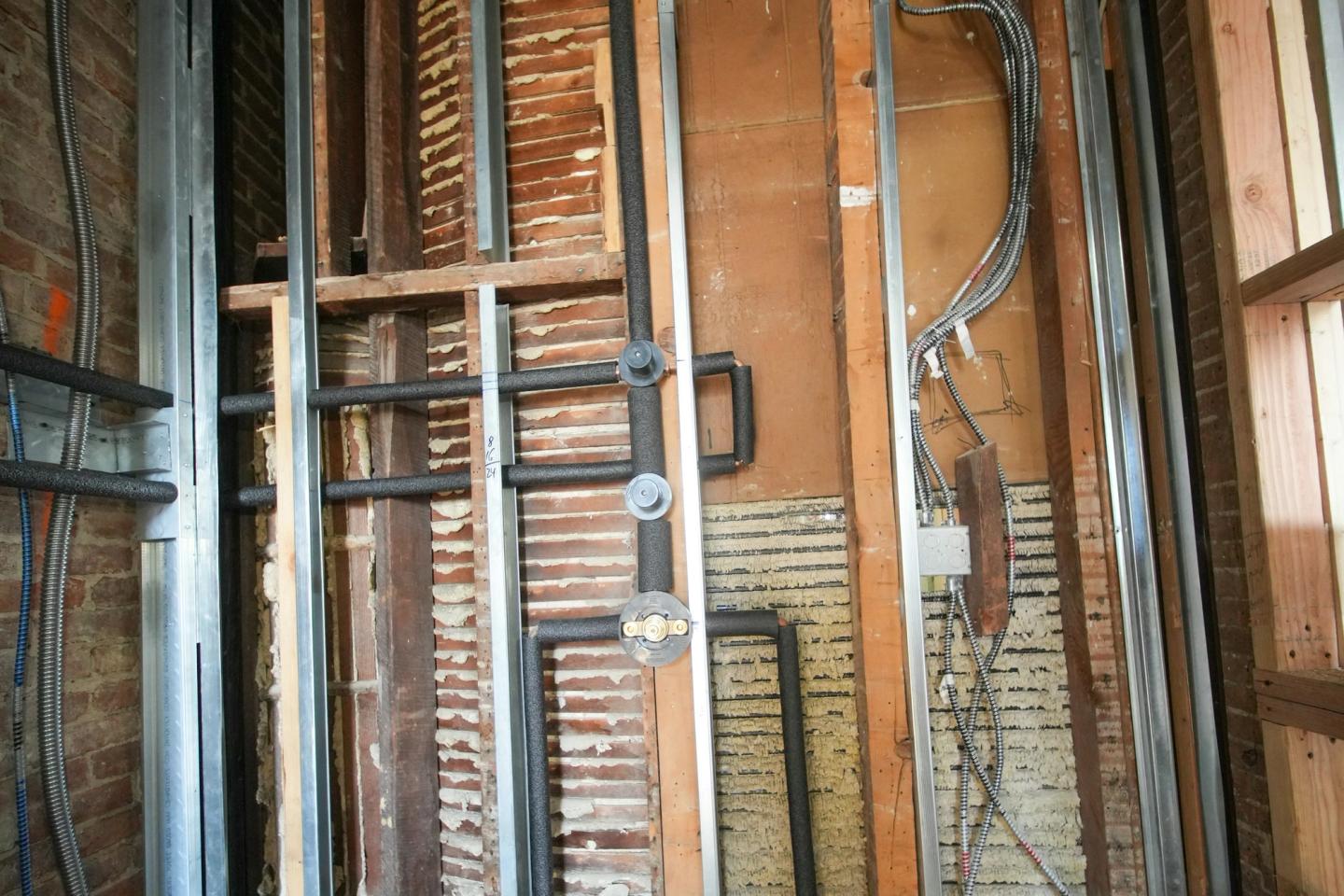
The hard part isn't knowing these habits. It's doing all five on every walk, on every home, every week. That is the part we built Vedo for.
How Vedo helps you catch defects on the site walk
Vedo doesn't change how you walk. It records the site walk you already do, watches it with you, and makes sure every deficiency you find reaches the right trade and gets closed. You can see how Vedo turns a site walk into a punch list and a daily log.

Record your site walk with Meta glasses or your phone
Start a walk in the Vedo app and choose how to record it: Meta AI glasses, your phone's camera, or a video you already shot. Vedo records the whole walk, video and sound, and sends it up in one-minute pieces as you go. Where your site requires safety glasses, use the phone.
Add punch list items by voice
When you see something, say "flag that" or "punch". Vedo takes a photo right then and keeps your words with it. No stopping to type, no notebook.
AI quality control on every minute of the walk
While you walk, Vedo reviews each minute of the recording (about one frame every two seconds) together with what you said.
What it looks for:
- Construction defects and unfinished work a trade needs to fix: missing fire caulk or firestopping, sleeves and penetrations not sealed, damaged drywall or corner bead, loose conduit, missing cover plates, cracked tile, doors that don't close.
- Safety hazards, checked against your province's occupational health and safety code.
It flags what it sees even when you walked past without a word, and the item shows up in the app within a minute or two, often while you're still on site.
Only what is worth your time
A tool that flags everything gets ignored. Vedo shows you the items that matter and groups repeats, so five cracks on one wall are one item, not five. Small cosmetic things go to a quiet low-priority list on the walk summary. Nothing is deleted, and nothing pings you about them.
Photo proof and location for every deficiency
Each item comes with:
- The photo.
- The moment in the walk video. Tap the item to go back to that moment.
- The level or unit it was on. Vedo works this out from what you say, what the camera sees and your phone's barometer.
- The trade it most likely belongs to.
Send deficiencies to the right trade, with no app or login
Nothing reaches a subcontractor until you send it.
- You confirm the item. Change the trade or the due time if you want.
- You send it. The trade gets a link by email with the photo and the location. No app to install, no login.
- The trade fixes it and marks it done with an after photo.
- You check it. Close it, or send it back.
A punch list app that keeps up with the site
Items from every walk land on one punch list, sorted by level and trade. You see what is new today, what is in progress and what is ready for you to check. Before drywall, before paint and before the homeowner's final walkthrough, you can see what is still open.
A record for back-charges and warranty claims
Every site walk is saved and can be replayed. When a back-charge, a dispute or a warranty claim comes up months later, you have the video, the photo, the time and who fixed it. The daily log Vedo drafts from your walk also lists new and open punch items, so your project manager sees the same picture you do.
What Vedo won't do
We would rather you hear this from us:
- It can't see inside a closed wall, a dark room or a blurred frame. It only knows what the camera saw and what you said. That is why the walk before each cover-up stage matters most.
- It can be wrong. That is why you confirm every item before it goes anywhere.
- It doesn't replace you, your safety program or the building inspector. It gives you a second look and a record.
- We won't promise you a percentage. The honest way to know what Vedo saves you is to measure it on your own sites: how many deficiencies get caught before cover-up, and how many come back after.
Try it on one site
Pick one site. For two weeks, record every walk before insulation and before drywall with Vedo. Then compare what Vedo found to what was already on your punch list, and count the return trips you didn't need.
If you want to see it on one of your sites, book a demo or join the waitlist.
Frequently asked questions
What is rework in construction?
Rework is work done twice: torn out, redone, patched or corrected because it didn't meet the drawings, the spec, the building code or the quality standard the first time. It includes fixing construction defects found on a punch list, work redone after a failed inspection, and warranty repairs (callbacks) after the owner moves in.
What percentage of construction cost is rework?
The cost of rework in construction depends on how it is measured. Construction Industry Institute data from 359 projects put direct rework at about 5% of total construction cost. One contractor's measured records came to 0.38% to 0.76% of contract value. UK research puts the total cost of avoidable errors at up to 21% of project cost once indirect costs are counted.
What causes rework in construction?
In the FMI and PlanGrid study, 48% of rework on US jobsites came from miscommunication and poor project information. Research also points to owner changes and to errors or gaps in the drawings and contract documents (Love and Li, 2000). On site, the common pattern is a defect that is seen too late, or seen and never sent to the trade.
What is the difference between a punch list and a deficiency list?
They are the same thing. In Canada, a punch list is often called a deficiency list, and punch items are called deficiencies. On US home builds, the final punch walk with the buyer is often called a blue tape walk, after the painter's tape used to mark each item.
What is a pre-drywall inspection?
A pre-drywall inspection is a walk of the framing, rough-in plumbing, electrical and HVAC, insulation and air sealing before drywall goes up, while everything is still visible. Once the walls are closed, most framing, wiring and plumbing problems are hidden.
How can AI help with construction quality control?
AI can review the photos and video from a site walk and point out likely defects and hazards for a person to check. It can't see inside closed walls or replace a superintendent's judgment, so every item should still be confirmed by someone on site.
Sources
- Hwang, Thomas, Haas and Caldas, Measuring the Impact of Rework on Construction Cost Performance, Journal of Construction Engineering and Management, 2009 (Construction Industry Institute data, 359 projects)
- Get It Right Initiative and CITB, via Construction Management
- Peter Love, How much does field rework in construction actually cost?, ASCE, January 2026
- The costs of rework: insights from construction and opportunities for learning, Production Planning and Control, 2018 (Bond University, 98 projects)
- Love and Li, Quantifying the causes and costs of rework in construction, Construction Management and Economics, 2000
- Case-based insights into rework costs of residential building projects, Western Sydney University
- FMI and PlanGrid, Construction Disconnected (2018), via Construction Dive and FMLink
- Statistics Canada, investment in building construction, 2025, via Link2Build
- BuildForce Canada residential outlook (July 2026), via the Canadian Home Builders' Association
- Government of Alberta, New home warranty overview
- Tarion, Q&A from the 2023 Annual Public Meeting
- The Globe and Mail and Grimshaw on BC's leaky condos
- Hondros, What to look for in a pre-drywall inspection
- Photos from Unsplash: rawkkim, Taylor Heery, Paul Kansonkho, Real Twin Photos, Olek Buzunov and Scott Blake