Construction Documentation: Proof for Back-Charges and Warranty Claims
When a back-charge, a dispute or a warranty claim comes up months later, the side with the better record usually wins. Here's what good construction documentation looks like and how Vedo keeps it from every site walk.
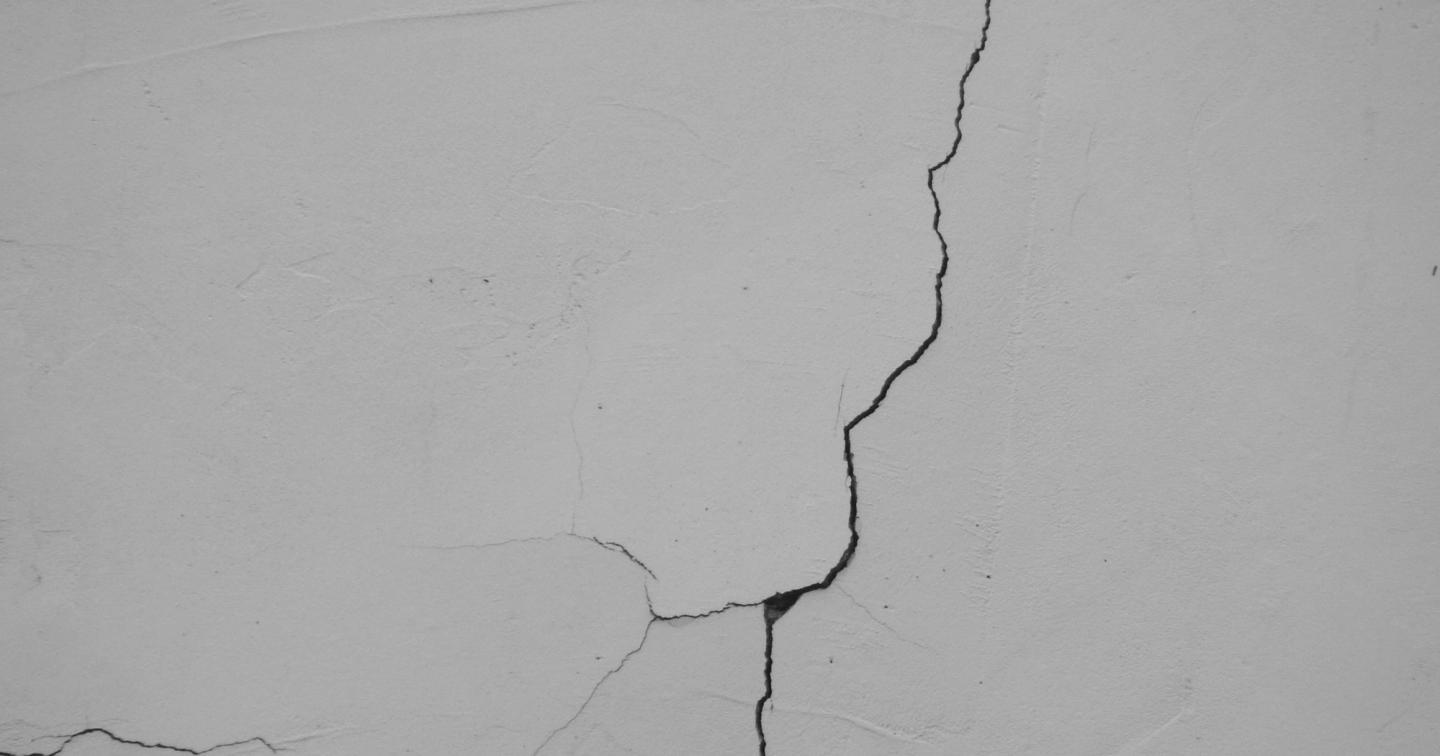
Eight months after possession, a crack runs up from the corner of a window. The homeowner calls. Was the header right? Who framed that wall? Was the drywall cracked before it was painted? The super who ran the site has moved to another job, and the photos are on their old phone.
Now it's your word, the trade's word and the homeowner's word, and the builder often ends up paying.
Most construction disputes aren't won by being right. They're won by being able to show it. This guide covers why records decide back-charges and warranty claims, what good construction documentation looks like, where site records usually fall apart, and how Vedo keeps a record of every site walk you can use months or years later.
Why records decide back-charges and warranty claims
Back-charges
A back-charge is a cost the general contractor or builder passes to a subcontractor for work that was wrong, unfinished or damaged. In practice, a back-charge only holds up if you can show four things:
- The work was the sub's. It was in their scope.
- It was wrong or damaged, and when. Not "it was like that," but a photo, a date and a place.
- They were told and given a chance to fix it. Most subcontracts require notice before you charge.
- What it cost. The fix, and only the fix.
Every one of those needs a record. A study of back-charges on a large airport project found that a lack of proper documentation and late notice to the subcontractor were among the main causes of back-charge problems (Kisi et al., 2020). Without the record, the back-charge turns into an argument, and the general contractor often ends up paying for the fix.
Warranty claims
New homes in Canada carry warranties that last for years. In Alberta, every new home has a mandatory warranty: 1 year for labour and materials, 2 years for heating, plumbing and electrical, 5 years for the building envelope and 10 years for the structure (Government of Alberta). A record from framing can matter a decade later.
In Ontario, Tarion paid more than $30 million in warranty claims in 2022. Of the 2,543 homes that had a conciliation inspection that year, 70% had items found to be under warranty (Tarion). When a conciliation is found chargeable to the builder, it goes on the builder's public record in the Ontario Builder Directory and stays there for 10 years (Tarion, Registrar Bulletin 4).
When a homeowner's claim comes in, the builder's best defence, and often the fastest fix, is knowing exactly what was built, when, and who built it.
Rework you can't see in the books
Records matter for your own numbers too. In a 2026 study of one contractor's real project records, the contractor's own books underreported field rework by 300% (Love, ASCE). If rework isn't recorded, nobody can back-charge it, learn from it or price it into the next job. We covered what rework costs in The Cost of Rework in Construction.
What good construction documentation looks like
Construction lawyers make the same point again and again: records made at the time are the best evidence you can have (RDJ). Good jobsite documentation has these parts:
- Photos with a time and a place. Level, unit, room and wall, not just a date in the file name.
- Before and after. What was wrong, and what the fix looked like before it was covered.
- Who did what, and when. Found by, assigned to, fixed by, checked by.
- What was said. Instructions given on site, written down the same day.
- Daily logs written the same day. Locked once sent, so nobody can say they were changed later.
- Notices and their dates. When the sub was told, and how.
- One place to find it all. A record nobody can find in a year doesn't help.
Where site records usually fall apart
- The photos are on someone's phone. No place, no context, and gone when that person leaves.
- The deficiency went by text. Nobody can find the thread six months later, or prove it was read.
- There's no after photo. The trade said it was fixed. Nobody looked before it was covered.
- The log was written on Friday. For the whole week, from memory.
- The super changed jobs. The record was in their head, and their head went with them.

How to build a record you can use later
- Photograph before every cover-up stage. Before insulation, before drywall, before paint. Close and wide.
- Put the place on every photo. Level, unit, room and wall.
- Send deficiencies in writing, with the photo. Never only by phone.
- Get an after photo for every fix. Close the item when you've seen it.
- Write the daily log the same day, and don't change it after you send it.
- Keep it on the company's system, not a person's phone. The record should stay when people leave.
- Know your contract's notice rules. Send notice the way and within the time your subcontract says.
How Vedo keeps the record from every site walk
Vedo builds the record while you do the walk you already do. You don't add a step.
The walk itself is saved
Vedo records the whole site walk, on Meta AI glasses or your phone, and saves it in one-minute pieces as you go. Months later, you can replay the walk. Every flag opens the replay at the moment it was found, so you can see exactly what the wall looked like that day.
Every item has a time, a place and a person
Each hazard and punch item keeps its photo, the time it was found, the level and the spot on that level, who found it, and anything that was said about it. The place comes from what you said on the walk and the level Vedo worked out, not from GPS.
Every step is logged
Each item keeps a history with the time and the person for every step: flagged, assigned to a trade, emailed, read by the trade, fixed, checked, closed and reopened. A fix keeps the trade's after photos and note. If you send a fix back, the first attempt stays in the history with its photos and the reason you gave.
Daily logs are locked once sent
A sent daily log can't be quietly changed. A correction goes out as a new version, and the history shows who sent, approved, returned or amended it, and when. Every page of the PDF says who sent it and when. We cover the log itself in Construction Daily Log: What to Include and How to Write It Faster.
You can pull it out
Export the punch list as a PDF or a spreadsheet file (CSV), by level and trade, with the photos and what was said. Daily logs are saved as PDFs you can share from the app.

What Vedo won't do
- It isn't legal advice. Vedo keeps the record. Whether a back-charge or a claim holds up depends on your contract and your province or state. Ask your lawyer.
- It doesn't send notices for you. If your subcontract requires written notice before a back-charge, send it the way the contract says.
- It only knows what the camera saw and what was said. It can't see inside a closed wall. That's why the walks before insulation and drywall matter most.
- It's a record of your walks, not a camera on site all day. What happened between walks isn't in it.

Start with one site
Pick one site and record every walk before insulation and drywall with Vedo. The next time a back-charge, a dispute or a homeowner's call comes up on that site, look at what you have: the walk, the photo, the time, who was told and who fixed it.
If you want to see it on one of your sites, book a demo or join the waitlist.
Frequently asked questions
What is a back-charge in construction?
A back-charge is a cost a general contractor or builder passes to a subcontractor for work that was defective, incomplete or damaged, usually by deducting it from what the sub is owed. Most subcontracts set out how and when the sub must be told first.
How do you document a back-charge?
Show that the work was in the sub's scope, photograph the problem with the date and exact place, send written notice the way the subcontract requires, give the sub a chance to fix it, and keep a record of what the fix cost. Keep it all together with the item.
What documentation do builders need for warranty claims?
Photos of the work before it was covered, the daily logs from those days, who did the work, the deficiencies found and how they were fixed, inspection results, and the pre-delivery inspection with the buyer. The more of it is dated and placed, the better.
How long should builders keep construction records?
At least as long as a claim could still come up, which depends on your warranty program, your contracts and the law where you build. In Alberta, the new home structural warranty lasts 10 years. Ask your lawyer for your own jobs.
What is construction photo documentation?
It's the practice of photographing the work at each stage, especially before it's covered, with the date, time and exact place, so the photos can prove what was built and when. It's most useful when every photo is tied to a place on the site and to the item it shows.
Sources
- Kisi, K. et al., Back Charges in Construction Contract: Case Study of Airport Project, Journal of Legal Affairs and Dispute Resolution in Engineering and Construction, 2020
- Government of Alberta, New home warranty overview
- Tarion, Q&A from the 2023 Annual Public Meeting, chargeable conciliations and Registrar Bulletin 4
- Peter Love, How much does field rework in construction actually cost?, ASCE, January 2026
- RDJ, Evidencing construction delay claims: the importance of maintaining site records
- Photos from Unsplash: Lallaoke, Lujia Zhang, Roman Denisenko, Scott Graham and CDC